
The cost of owning a cat in the USA is usually $1,000 to $2,450 a year for a healthy indoor adult in 2026, or about $85 to $205 a month, according to CalcPet’s 2026 guide built from ASPCA, APPA, NAPHIA and Rover figures. The first year costs more — typically $1,000 to $2,500, including adoption, first vet visits, spaying or neutering and all the one-time setup — and over a 15-year lifetime the total runs roughly $20,000 to $48,500. Cats are cheaper than dogs, but not by as much as most people assume, and the gap closes fast once a senior cat needs regular bloodwork or a chronic condition needs ongoing care.
Cost of owning a cat at a glance (2026)
| What you are paying for | Typical range (2026) |
|---|---|
| Healthy indoor adult, per year | $1,000–$2,450 |
| Healthy indoor adult, per month | $85–$205 |
| First year (kitten, incl. setup) | $1,000–$2,500 |
| Senior cat, per year | $1,500–$3,000+ |
| Lifetime, about 15 years | $20,000–$48,500 |
| ASPCA routine-care baseline, per year | About $634 |
| Adoption fee | $50–$155 |
Sources disagree on the yearly figure because they measure different things. The ASPCA’s long-standing estimate of about $634 a year covers routine care only — checkups, food, treats and basic supplies — before any emergency. The APPA’s 2026 survey puts average annual spending closer to $1,400 to $1,900, because it counts what owners actually spend, including the unexpected. Rover’s 2026 Cost of Cat Parenthood report, from a survey of 1,000 US pet parents in May 2026, puts an adult cat at $850 to $4,400 a year and a kitten at $840 to $3,665 a year, with monthly spending of $70 to $305. The honest planning range is therefore the wide one: a healthy indoor cat on a budget costs about $1,000 a year, and a cat with premium food, insurance and a health problem costs two to three times that.
The first year: the most expensive year
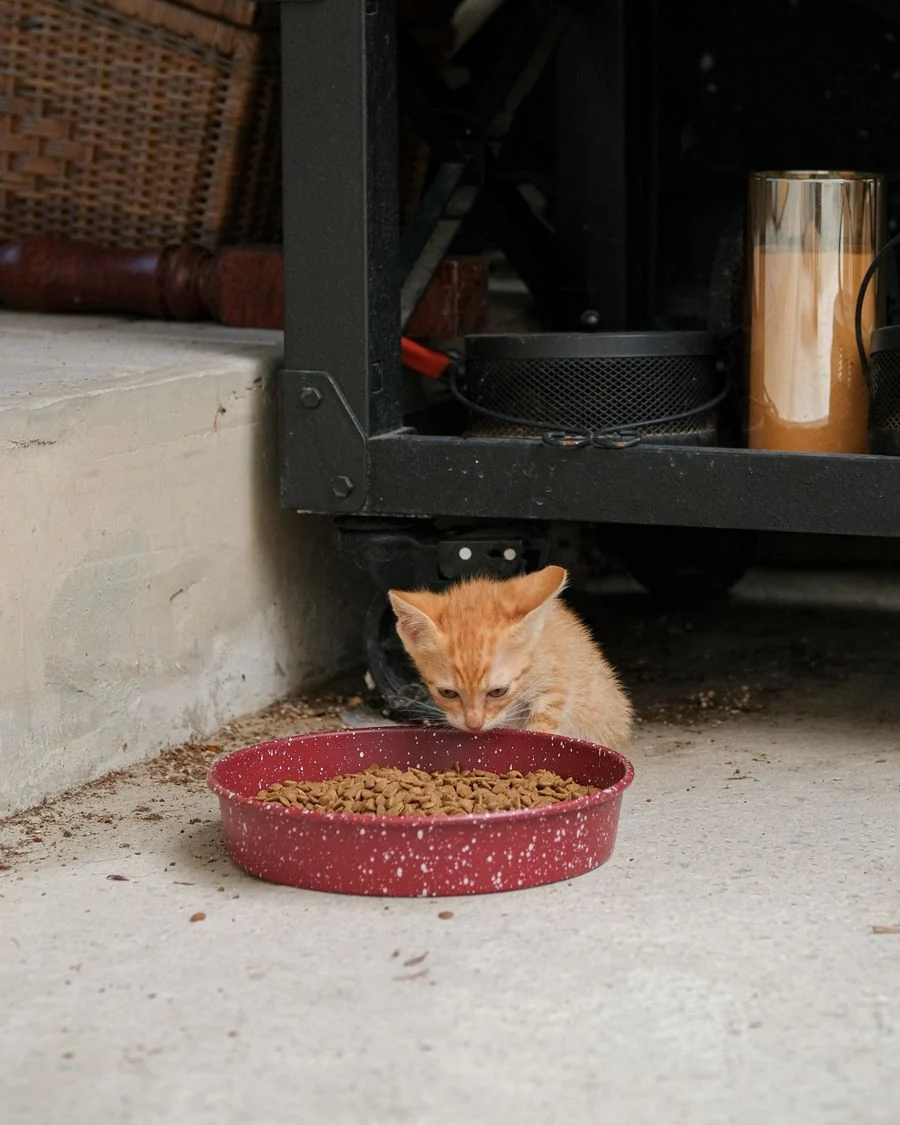
A kitten’s first year is the most expensive single year of a cat’s life, because everything happens at once: the adoption fee, the first vet series, spaying or neutering, and every one-time item in the house. Rover puts first-year costs at $705 to $2,960, and CalcPet at $1,000 to $2,500. The Wall Street Journal, working from Rover and CareCredit data, puts the upfront cost of getting set up at $629 to $3,030.
| First-year item | Typical cost |
|---|---|
| Adoption fee (shelter) | $50–$155 |
| Purebred kitten (breeder) | $300–$1,500 |
| First vet visits + kitten vaccine series | $150–$350 |
| Spay or neuter | $50–$250 (low-cost clinic) to $300+ (private vet) |
| Carrier, litter boxes, scratcher, bowls, bed | $200–$800 |
| Food, litter and supplies, first year | $300–$600 |
| First-year total | $1,000–$2,500 |
Adoption is the cheapest way in: Rover’s 2026 figures put the average shelter adoption fee at $50 to $155, and many shelters include the first vaccines and the spay or neuter in that fee — always ask before paying for them again at your vet. A purebred kitten from a breeder costs $300 to $1,500, according to the Cat Fanciers’ Association, before any of the vet care above. The vaccine series is a real line item: our guide to cat vaccination cost puts the full kitten series at $150 to $350 across two to three visits.
What a normal year costs
Once the first year is done, the annual cost settles into a steadier pattern — food, litter, routine vet care and a small reserve for the unexpected. CalcPet’s itemised 2026 budget for one healthy adult indoor cat puts the annual total at $690 on a tight budget, $1,300 to $2,310 in the typical range, and $3,200 at the premium end.

| Category | Budget | Typical | Premium |
|---|---|---|---|
| Food and treats | $250–$450 | $450–$900 | $900–$2,400 |
| Litter | $120–$200 | $200–$350 | $350–$500 |
| Routine vet care (exam + vaccines) | $100–$200 | $150–$300 | $300–$500 |
| Flea, tick and parasite prevention | $60–$120 | $120–$200 | $200–$300 |
| Toys, scratchers, grooming | $30–$80 | $80–$200 | $200–$400 |
| Pet insurance | $0 | $270–$430 | $430–$600 |
| Annual total | About $690 | $1,300–$2,310 | About $3,200 |
Food is the biggest line and the easiest to control: Rover’s 2026 figures put annual food spending at $230 to $2,455 depending on brand and type, and the Wall Street Journal’s breakdown puts the average annual cost without dental cleanings at $881 to $2,933, rising to $1,256 to $3,308 with dental cleanings included. A routine vet visit cost for a cat, with core vaccines, is about $150 to $225 a year — the cheapest vet line in this article, and the one that prevents the expensive ones.
Cost by life stage: kitten, adult, senior
The yearly cost is not flat across a cat’s life. It starts high, settles for most of the adult years, and rises again at the end — and the sources disagree about the senior years, so both views are given here.
| Life stage | Typical yearly cost |
|---|---|
| Kitten, first year | $1,000–$2,500 |
| Kitten, after year one | $840–$3,665 |
| Adult, ages 1–10 | $1,000–$2,450 |
| Senior, ages 11+ | $1,500–$3,000+ |
The kitten and adult ranges come from CalcPet and Rover’s 2026 report. The senior range is where the sources split: CalcPet puts seniors at $1,500 to $3,000 or more a year, because of twice-yearly exams, more frequent bloodwork and a higher chance of a chronic condition needing ongoing management. Rover’s 2026 report, by contrast, found senior costs dropping by as much as 16%, largely because food and supply spending falls as older cats eat less and play less. Both can be true at once: a healthy senior costs less day to day, while a senior with kidney disease, thyroid disease or dental disease costs considerably more. Budget for the second version and be pleasantly surprised by the first.
Over a full life, the numbers add up. Synchrony’s 2025 Pet Lifetime of Care study, based on 4,861 pet owners, puts the lifetime cost of a cat over 15 years at roughly $20,000 to $48,500 — up 19.4% since 2022. Rover’s 2026 report gives a wider lifetime range of $10,785 to $54,270, and as much as $72,595 if the cat lives a full 20 years. Cats often live 12 to 18 years, sometimes longer, so a cat is not a $60-a-month pet: it is a $1,000-to-$2,450-a-year commitment for a decade and a half.
Indoor vs outdoor: the cost difference
Indoor cats usually cost less than outdoor cats, and the reason is veterinary, not food. An outdoor cat is more likely to need emergency care — fights, road injuries, parasites and infectious disease — while an indoor cat’s vet bills are mostly the predictable kind: the annual exam, vaccines and, in later years, bloodwork. Indoor cats also tend to live longer: Banfield’s State of Pet Health report notes indoor cats live substantially longer than outdoor cats, which spreads the lifetime cost over more years but, more importantly, means fewer emergency bills along the way. An outdoor cat also needs more parasite prevention and is more likely to need the FeLV vaccine our cat vaccination cost guide covers. If your cat goes outside, budget at the top of the yearly range, not the bottom — and keep an emergency reserve, because the one bill that breaks a cat budget is almost always an outdoor one.
Cat vs dog: which costs more?
A dog costs more — on every measure, in every source. Our companion guide to the cost of owning a dog puts a dog at $1,391 a year on the ASPCA’s baseline (against $634 for a cat), $3,221 for the first year (against roughly $1,000 to $2,500 for a cat), and a lifetime of about $19,840 for a small dog to $58,875 for a large dog (Rover 2026). The gap comes from size: dogs eat more, need bigger doses of everything, and their vet procedures cost more because anaesthesia is dosed by weight. A cat’s food, litter and routine vet care are simply smaller line items. The one place the gap narrows is the senior years, where a cat with chronic kidney disease can cost as much as a dog — but across a whole lifetime, a cat is the cheaper pet by a clear margin.
How to keep the cost down without cutting corners
Adopt rather than buy a purebred — the $50 to $155 shelter fee usually includes vaccines and the spay or neuter. Buy food and litter in bulk and on subscription, which Rover’s survey found many owners already do through loyalty programmes. Keep the annual vet visit, because a $150 exam that catches kidney disease early is cheaper than a $2,000 emergency later. And set aside a small monthly reserve — $25 to $50 — for the unexpected, so one bad week does not become a debt. What not to cut is the vaccine series, the spay or neuter, or the annual exam: those are the three items that prevent the bills this article is trying to help you avoid.
FAQ
How much does a cat cost per year?
Usually $1,000 to $2,450 a year for a healthy indoor adult in 2026, or about $85 to $205 a month. The ASPCA’s routine-care baseline is lower, about $634 a year, because it excludes emergencies.
How much does a cat cost per month?
About $70 to $305 a month, according to Rover’s 2026 survey of 1,000 US pet parents. A budget indoor cat sits near $85 a month; a senior cat with insurance and premium food sits near $205 or more.
How much does a cat cost in the first year?
Typically $1,000 to $2,500, including the adoption fee, first vet visits, the kitten vaccine series, spaying or neutering, and all the one-time setup items.
How much does a cat cost over its lifetime?
Roughly $20,000 to $48,500 over 15 years, according to Synchrony’s 2025 study of 4,861 pet owners — and up to about $72,595 if the cat lives 20 years, according to Rover.
Is a cat cheaper than a dog?
Yes. A dog costs about $1,391 a year on the ASPCA baseline against $634 for a cat, and a dog’s lifetime runs $19,840 to $58,875 against a cat’s $20,000 to $48,500. The gap is mostly size: dogs eat more and their vet care costs more.
Do indoor cats cost less than outdoor cats?
Usually, yes. Outdoor cats are more likely to need emergency care for injuries, fights and infectious disease, and they need more parasite prevention. Indoor cats also tend to live longer, which spreads the lifetime cost over more years.
Sources
- CalcPet, “Average Cost of Owning a Cat Per Year (2026)” (published 9 November 2026) — https://www.calcpet.com/blog/average-cost-of-owning-a-cat-per-year-2026 — healthy indoor cat $1,000–$2,450 a year ($85–$205 a month); ASPCA baseline about $634 a year; APPA 2026 survey $1,400–$1,900; kitten first year $1,000–$2,500; adult $1,000–$2,450; senior $1,500–$3,000+; lifetime $20,000–$48,500 (Synchrony 2025).
- Rover, “How Much Do Cats Cost? Initial, Annual, Monthly & More” (2026 Cost of Cat Parenthood report; survey of 1,000 pet parents, May 2026) — https://www.rover.com/blog/cost-of-cat-parenthood/ — lifetime $10,785–$54,270 (up to $72,595 over 20 years); kitten $840–$3,665 a year; adult $850–$4,400 a year; monthly $70–$305; adoption $50–$155; first year $705–$2,960; senior costs down as much as 16%.
- PetHealthAnswers, “How Much Does It Cost to Own a Cat? (2026)” — https://www.pethealthanswers.com/articles/how-much-does-it-cost-to-own-a-cat — annual $650–$2,910–$3,090+ (most owners $900–$1,460–$1,540); first year $1,000–$3,400–$3,600; lifetime $20,073–$45,696–$48,516 over 15 years (Synchrony 2025, up 19.4% since 2022).
- Synchrony, 2025 Pet Lifetime of Care Study (4,861 pet owners, June 2025) — via CalcPet and PetHealthAnswers — lifetime cost of a cat over 15 years roughly $20,000–$48,500, up 19.4% since 2022.
- The Wall Street Journal, “The True Cost of Cat Ownership: A Financial Breakdown” — https://www.wsj.com/buyside/personal-finance/pet-insurance/cost-of-owning-cat — upfront $629–$3,030; annual $881–$2,933 without dental cleanings, $1,256–$3,308 with dental; adoption $50–$155; purebred $300–$1,500 (Cat Fanciers’ Association); lifetime $10,785–$54,270 (Rover).
- PocketGuard, “How Much Does It Cost to Own a Cat? A Realistic 2026 Cost Guide” (updated 13 November 2026) — https://pocketguard.com/blog/how-much-does-it-cost-to-own-a-cat/ — healthy indoor cat $65–$125 a month ($800–$1,500 a year); first year $1,200–$2,300; lifetime usually $20,000–$30,000; Rover 2026 median lifetime $32,527.
- Banfield Pet Hospital, State of Pet Health report — indoor cats live substantially longer than outdoor cats.
- ASPCA, pet care cost table (2021 update), via CalcPet — routine care for a cat about $634 a year; dog first year $3,221 and yearly $1,391 for comparison.
Last reviewed: 15 November 2026. This article is general information only and is not a substitute for veterinary advice.