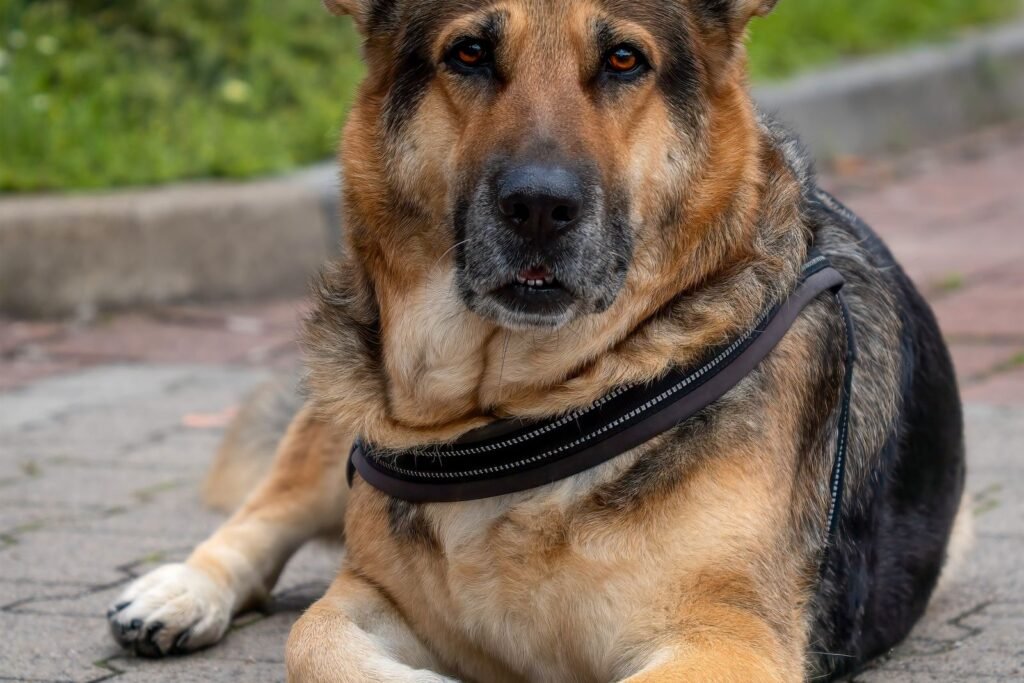
The German Shepherd lifespan is usually 9 to 13 years, but that single range hides a real disagreement between sources — and the disagreement matters if you are choosing this breed. PetMD puts the average German Shepherd lifespan at 7–10 years, and Pet Releaf reports the same 7–10 year figure from the American Kennel Club (AKC). A large UK veterinary study found a median of 10.3 years. So a fair short answer is: plan for about 10 years, hope for more, and expect the exact number to depend on breeding line, weight, and care. This guide explains why the numbers differ, what a German Shepherd is like to live with, which health problems shorten life, and what a puppy costs — with every figure attributed to its source.
Why sources disagree about German Shepherd lifespan
There is no single settled number, so this article does not present one as the answer. Here is the spread, with each figure attributed:
| Source | Lifespan figure |
|---|---|
| PetMD, German Shepherd breed page | Average lifespan 7–10 years |
| Pet Releaf, citing the AKC | Typically 7–10 years, according to the AKC; other estimates run 10–14 years depending on breeding line, size and care |
| Widely repeated general range (e.g. Pet Insurance Review, EveryPetGuide) | 9–13 years |
| VetCompass study, O’Neill et al., Royal Veterinary College, 2017 (UK primary-care records) | Median 10.3 years — females 11.1 years, males 9.7 years |
Why the gap? The AKC figure reflects registered, often show-line dogs, while the 9–13 year range reflects broader populations, including working lines, which several guides report living longer. Some websites claim the AKC lists 12–14 years — that attribution did not survive checking: the AKC breed page fetched on 14 November 2026 did not expose a lifespan stat in readable text, and Pet Releaf, which does attribute a figure to the AKC, gives 7–10 years. Treat any single number you see elsewhere as one source’s figure, not the breed’s fact.
What the numbers mean in practice: a German Shepherd is a 7- to 10-year commitment at minimum, in PetMD’s words, and a dog that reaches 12 or 13 has done well. Females in the VetCompass study lived longer than males on median, by about a year and a half — useful context, not a promise for any individual dog.
Size, temperament and everyday life
German Shepherds are large, strong working dogs: males typically 24–26 inches tall and 65–90 pounds, females 22–24 inches and 50–70 pounds (Basepaws breed data, citing AKC-linked measurements). They were bred in Germany as herding and working dogs, and that history still shows. They are loyal, intelligent, confident and protective, and they bond closely with their family. They are also high-energy and need a job to do — training, long walks, play and mental work are not optional extras.
A German Shepherd is usually a poor fit for a home that wants a low-exercise, low-shedding dog. Shedding is heavy, grooming is regular, and the double coat sheds year-round with heavier seasonal shedding. Daily exercise of an hour or more, plus training, suits most adult dogs. Without it, boredom often shows up as barking, chewing or restlessness. With it, they are steady, trainable family dogs and capable working dogs — the reason they are common in police, military, search-and-rescue and guide-dog work.
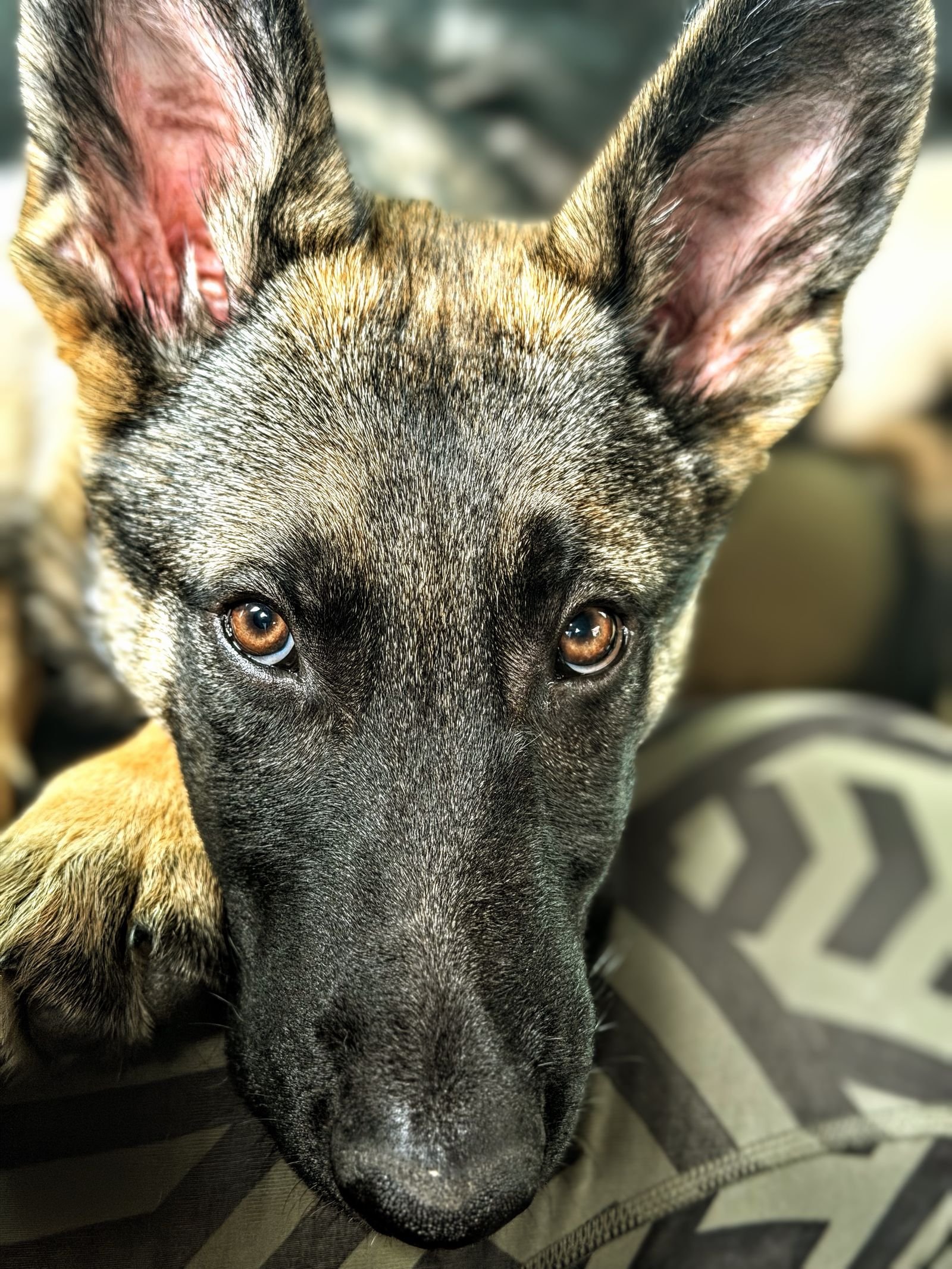
They do best with early socialisation and consistent, positive training. They can be wary of strangers, which owners often value, but that wariness needs guidance so it stays confidence rather than reactivity. Children, other pets and visitors all go better when the dog has been socialised early and the household keeps clear, calm rules.

Health watch-points that affect lifespan
German Shepherds are prone to several health problems, and PetMD notes they are prone to several health problems within that 7–10 year lifespan. The most important ones to know before you commit:
- Hip and elbow dysplasia. The joints do not fit together properly, causing pain and arthritis over time. According to the Canine Health Information Center, cited by PetMD, about 20% of German Shepherds have hip dysplasia. Ask a breeder for hip and elbow screening results (OFA in the USA) before buying a puppy.
- Bloat (gastric dilatation-volvulus, GDV). The stomach fills with gas and can twist — a life-threatening emergency in deep-chested breeds. Know the signs and know your nearest emergency vet before you need one.
- Degenerative myelopathy (DM). A progressive disease of the spinal cord in older dogs, causing gradual weakness in the hind legs. There is a DNA test for the associated gene; responsible breeders test for it.
- Other conditions commonly listed for the breed include allergies and skin problems, ear infections, and digestive sensitivity. None of these is a certainty for any one dog, but together they are why vet costs for this breed run higher than for many smaller, healthier breeds.
See a vet now if… your dog’s belly looks swollen and tight, they are retching without bringing anything up, they are suddenly very weak, collapse, or cannot stand, or they show sudden severe pain. This is general information only, not a substitute for veterinary advice. Do not try to treat these signs at home — contact a vet or emergency clinic immediately. No drug dosages or treatment instructions are given in this article.
Weight matters more than most owners expect: keeping a German Shepherd lean, with regular vet check-ups, vaccinations and parasite prevention, is one of the few lifespan factors fully in an owner’s control. The other is choosing a breeder who health-tests parents — that choice is made before the puppy comes home.
German Shepherd puppies: price and first-year cost
How much is a German Shepherd puppy? The honest answer is that the price depends heavily on the source, and published prices disagree for the same reason lifespan figures do — different breeders, lines and regions.
A dated, named-provider check by Petful on 29 October 2026 found five named US breeders listing puppies at $1,950 to $5,000, with the middle listing at $4,500, while two regional rescues charged $0 to $550. Embrace Pet Insurance gives a broader 2026 range: $1,500 to $3,500 from a reputable breeder, $5,000 or more for show-quality, working-line or imported puppies, and $50 to $600 to adopt from a shelter or rescue. Embrace also estimates lifetime ownership at about $15,000 to $30,000.
Use those figures as a map, not a price list: a pet-quality puppy from a health-tested breeder is usually in the low thousands, a rescue or shelter dog costs far less, and very cheap puppies (under $1,000 from an untested source) often carry the highest later vet bills. What the purchase price does not cover is the first year itself — Petful notes an AKC-published estimate of $3,239 for a large dog’s first year, covering food, vet care, supplies and training. Read the full breakdown in our guide to the cost of owning a dog, and plan vet costs with our guide to vet visit cost.
When you compare breeders, compare what is included — AKC registration, vaccinations, microchip, health guarantee, hip/elbow screening of the parents — not just the headline price. A breeder who cannot show health testing is not cheaper; the cost arrives later, at the vet.
Is a German Shepherd right for you?
Choose a German Shepherd if you want an intelligent, loyal, active dog, you can give it daily exercise and training, you accept heavy shedding and real vet costs, and you are ready for a roughly 10-year commitment. Look at another breed if you need a low-exercise dog, have very little time for training, or want the lowest possible vet bills.
If you do choose one, the best next steps are simple: find a breeder who health-tests, budget the first year honestly, register with a vet before the puppy arrives, and start training and socialisation from day one. A well-bred, lean, well-exercised German Shepherd with regular vet care has the best chance of reaching the upper end of that 9–13 year range.
FAQ
How long do German Shepherds live?
Most sources give 9–13 years as the typical range, PetMD and the AKC (via Pet Releaf) give 7–10 years, and the VetCompass study found a median of 10.3 years. Plan for about 10 years.
How much is a German Shepherd puppy?
From a reputable breeder, usually $1,500–$3,500 (Embrace Pet Insurance, 2026), with named US breeders checked by Petful on 29 October 2026 listing $1,950–$5,000. Adoption from a shelter or rescue is usually $50–$600.
Are German Shepherd puppies expensive to keep?
Yes, relative to smaller breeds. An AKC-published estimate cited by Petful puts a large dog’s first year at $3,239, before the purchase price. Food, vet visits, insurance and training are the main ongoing costs — see our cost of owning a dog guide.
Do male or female German Shepherds live longer?
In the VetCompass study, females lived longer on median — 11.1 years against 9.7 years for males. That is a population finding, not a guarantee for an individual dog.
What shortens a German Shepherd’s life most?
Hip and elbow dysplasia, bloat, degenerative myelopathy and excess weight are the main factors named by veterinary sources. Health-tested breeding, a lean weight and prompt vet care for warning signs help most.
Sources
- PetMD — German Shepherd Dog Breed Health, Care, and Training: https://www.petmd.com/dog/breeds/german-shepherd — average lifespan 7–10 years; about 20% hip dysplasia (Canine Health Information Center); 7- to 10-year commitment.
- Pet Releaf — German Shepherd Lifespan: How Long Do German Shepherds Live?: https://petreleaf.com/blogs/blog/german-shepherd-life-expectancy-and-health-issues — 7–10 years according to the AKC; other estimates 10–14 years by line, size and care.
- Pet Insurance Review — The German Shepherd Lifespan: https://www.petinsurancereview.com/amp/blog/the-german-shepherd-lifespan — average 9–13 years.
- O’Neill DG et al., VetCompass / Royal Veterinary College, 2017 — median lifespan 10.3 years (females 11.1, males 9.7), as reported in breed-lifespan summaries. Verify the primary paper link at publish time; do not cite a secondary summary as the study itself if the primary link is available.
- Basepaws — German Shepherd Breed Information: https://basepaws.com/dog-breeds/german-shepherd — size 24–26 in / 65–90 lb (males), 22–24 in / 50–70 lb (females); life expectancy 7–10 years.
- Petful — German Shepherd Price: Puppy, Adoption and Care Costs (checked 29 Oct 2026): https://www.petful.com/dog-breeds/german-shepherd-price/ — five US breeders $1,950–$5,000, middle $4,500; rescues $0–$550; AKC first-year estimate $3,239 for a large dog.
- Embrace Pet Insurance — How Much Does a German Shepherd Cost? (updated 3 Jul 2026): https://www.embracepetinsurance.com/waterbowl/article/how-much-is-a-german-shephard-puppy-price — reputable breeder $1,500–$3,500; show/working/imported $5,000+; shelter/rescue $50–$600; lifetime $15,000–$30,000.
- AKC — German Shepherd Dog breed page: https://www.akc.org/dog-breeds/german-shepherd-dog/ — fetched 14 Nov 2026; lifespan stat not exposed in readable text, so no AKC lifespan figure is attributed from that check. Re-check at publish time before citing any AKC figure directly.
Last reviewed: 15 November 2026. This article is general information only and is not a substitute for veterinary advice.