
Can dogs eat grapes? No. Dogs must never eat grapes, raisins, sultanas or currants — not one, not a small one, not a seedless one, not a peeled one. Grapes are one of the most dangerous foods a dog can eat, because they can cause sudden kidney failure, and there is no known safe amount. A dog that ate grapes last year and seemed fine can become seriously ill from a grape today, and a dog can look completely well while the damage is already under way. If your dog has eaten any grapes or raisins, call your vet or a pet poison line right now — do not wait for symptoms.
Can dogs eat grapes — the short answer, in full
| Question | Answer |
|---|---|
| Can dogs eat grapes? | No — never, in any amount |
| Can dogs eat seedless grapes? | No — seedless grapes are just as toxic |
| Can dogs eat raisins? | No — raisins are dried grapes, and the toxin is concentrated in a smaller bite |
| Can dogs eat sultanas or currants? | No — all dried grapes carry the same risk |
| Can dogs eat grape juice, jelly or wine? | No — do not offer any grape product to a dog |
| Is there a safe number of grapes? | No — no safe dose has ever been established |
| Can grapes kill a dog? | Yes — acute kidney injury from grapes can be fatal |
The reason this answer is so absolute is that nobody can predict which dog will react. Some dogs eat a handful of grapes and stay well; others develop acute kidney injury — kidneys that suddenly stop filtering the blood — after a few. There is no test that tells you in advance which group your dog falls into, so vets treat any grape or raisin ingestion as an emergency, whatever the dog’s size, breed or age.
Why are grapes toxic to dogs?
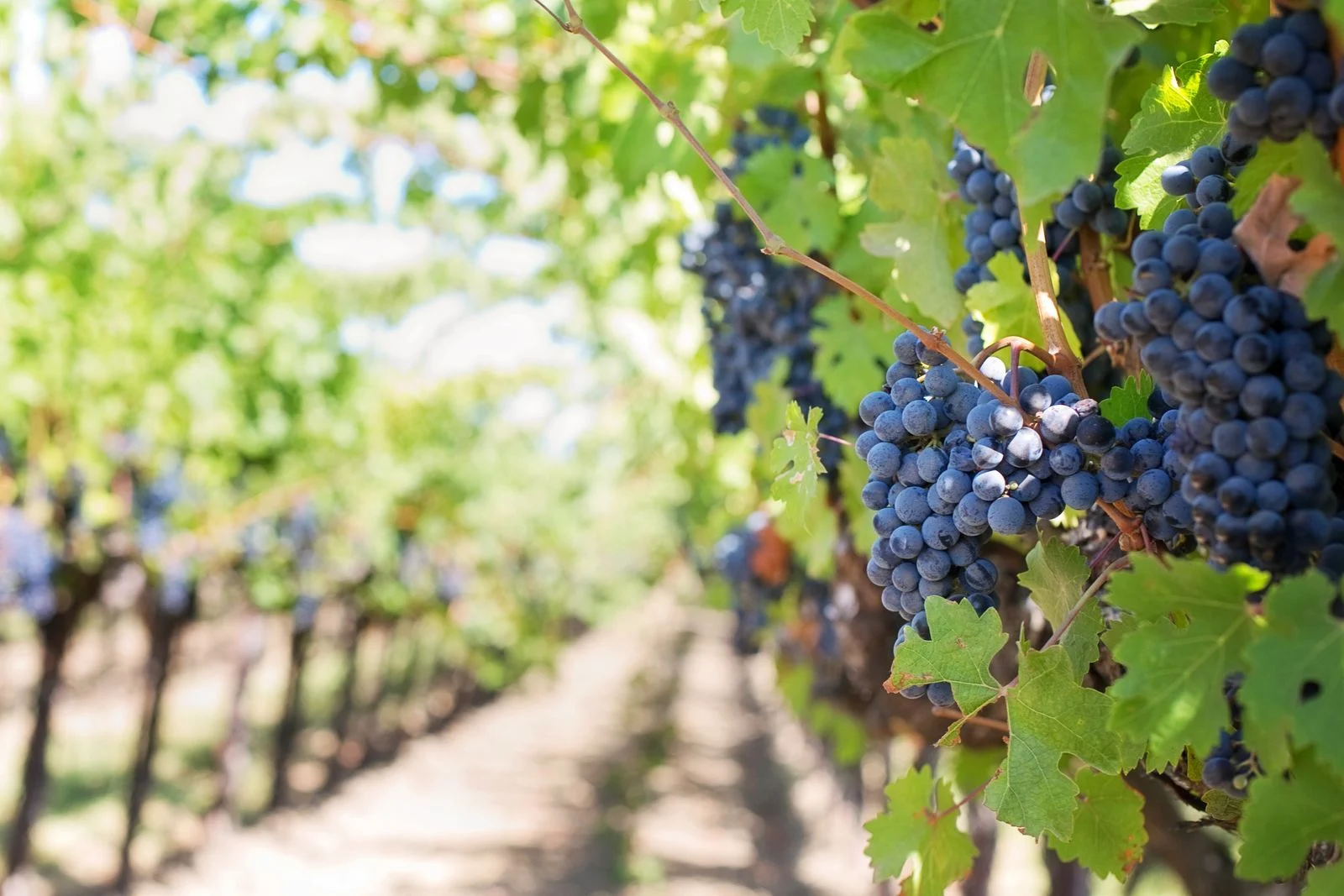
For years, the poison in grapes was a mystery. Then toxicologists at the ASPCA Animal Poison Control Center noticed that dogs who ate cream of tartar or tamarinds developed the same kidney damage seen after grapes. The common ingredient is tartaric acid, which the ASPCA identified in 2021 as the likely toxic component in grapes and raisins. The Merck Veterinary Manual calls tartaric acid a proposed cause, and Pet Poison Helpline says it is suspected but not yet proven — the science is still catching up, but the danger itself is not in doubt.
Two things make tartaric acid so hard to manage. First, dogs seem unusually sensitive to it: they lack some of the transporters other species use to clear organic acids, so it builds up in the cells that line the kidney tubules. Second, grapes do not carry a fixed amount of it: the ASPCA reports tartaric acid anywhere from 0.35% to 2% of a grape, depending on the variety, how ripe it is and how it was grown. That is why the same number of grapes can be harmless one day and dangerous the next — the fruit itself varies, and so does the dog.
How many grapes are toxic to a dog?
There is no well-established toxic dose, and that is the point. Cases of kidney failure have been reported after as few as four or five grapes in a 20-pound dog, and after a single small box of raisins. The Merck Veterinary Manual flags more than one grape or raisin per 10 pounds of body weight as enough tartaric acid to put the kidneys at risk, and Cornell’s Riney Canine Health Center advises treating any ingestion as potentially toxic. The ASPCA’s poison control database uses 0.7 grams of grape material per kilogram of body weight as the dose that defines a toxic exposure — for a 20-pound dog, that works out to roughly three to five grapes, and for a 10-pound dog, under three.
| Dog’s weight | Roughly how many grapes reach the 0.7 g/kg reference dose |
|---|---|
| 10 lb (small dog) | Fewer than 3 grapes |
| 20 lb | About 3–5 grapes |
| 40 lb | About 6–10 grapes |
| 70 lb (large dog) | About 10–18 grapes |
These numbers are a population-level reference from case reports, not a safe limit — they show how little it takes, not how much is safe. A small dog is at the most risk, because a single grape is a bigger dose for a small body. But large dogs have developed kidney failure too, so size is no protection. Raisins are worse bite for bite than fresh grapes, because drying removes the water and concentrates everything that remains — a small box of raisins can carry as much tartaric acid as a whole bunch of grapes.
What happens if a dog eats grapes: symptoms and timeline
Grape poisoning works in two stages, and the gap between them is what catches owners out. The stomach signs come first; the kidney damage follows a day or more later, when the dog may still look fine.
| When | What to watch for |
|---|---|
| First few hours | Vomiting (often the first sign), diarrhoea, drooling, loss of appetite |
| 6–12 hours | Vomiting or diarrhoea usually starts; lethargy, weakness, abdominal pain |
| 12–24 hours | Weakness and appetite loss continue; dehydration; the dog drinks more or stops drinking |
| 24–72 hours | Acute kidney injury in affected dogs: little or no urine, worsening weakness, bad breath, tremors |
In a study of 43 dogs that developed kidney injury after grapes or raisins (Eubig et al., Journal of Veterinary Internal Medicine, 2005), every one of them vomited, and dogs that stopped producing urine or became wobbly or weak were less likely to survive. That is why the advice is to act before the kidney signs appear: by the time a dog stops urinating, the damage is advanced, and treatment is harder and more expensive. Our guide to the emergency vet cost explains what an ER visit typically costs — and in this case, the early visit is the cheaper one.
My dog ate a grape — what should I do?
Act now, even if your dog seems completely fine. Kidney signs show up a day or more later, and the best time to act is before them.
- Call your vet, an emergency animal hospital, or a poison line immediately. In the USA: ASPCA Animal Poison Control Center (888) 426-4435, or Pet Poison Helpline (855) 764-7661. A consultation fee may apply, and it is worth paying.
- Note what happened. How many grapes or raisins, when, and your dog’s weight. Bring the packaging if it was a shop-bought product.
- Do not try to make your dog vomit on your own. Do not give home remedies, and do not wait to see if symptoms appear — a vet decides whether vomiting should be induced, and only within a safe window.
- Go in if you are told to. Your vet may run blood tests over the next day or two to check kidney values, even if your dog looks well. Follow the recheck schedule — it is the monitoring that catches kidney injury early.
- Keep grapes out of reach from now on. Grapes roll off tables, fall from fruit bowls, hide in lunchboxes and trail mix, and sit in bin bags after a picnic. A dog that steals food from a counter can find them in seconds.
If you are not sure whether your dog ate any — an empty grape punnet on the floor, a torn raisin box — treat it the same way and call. It is far better to be told it was nothing than to find out a day later that it was not.
Where grapes hide in everyday food
Most grape poisonings do not happen because an owner handed a dog a grape. They happen because grapes hide in foods a dog steals or is offered without a second thought — and because the dried forms are easy to miss.
Trail mix and granola bars are the classic trap: a small handful of raisins or dried cranberries mixed with nuts, and a dog that eats the whole bag. Raisin bread, oatmeal-raisin cookies, fruit cake, hot cross buns, mince pies and stuffing mixes all carry raisins, and a dog that counter-surfs at Christmas or Thanksgiving can eat a dangerous amount in seconds. Fruit salad bowls, lunchboxes and picnic leftovers are the other hiding places — a few grapes rolled under a table, a raisin dropped on the floor, a bin bag full of fruit peelings after a party.
Grape juice, grape jelly and wine are not safe either, even though the VCA notes that juice and jelly made from juice concentrate have not been linked to the same kidney poisoning as whole fruit. The sensible rule is simpler than the exceptions: do not offer your dog any grape product, and do not assume a processed form is safe just because it is not a whole grape. If your dog has eaten any food that contains grapes or raisins, treat it the same way as eating the fruit itself — call your vet or a poison line and say what was in it.
What can dogs eat instead of grapes?
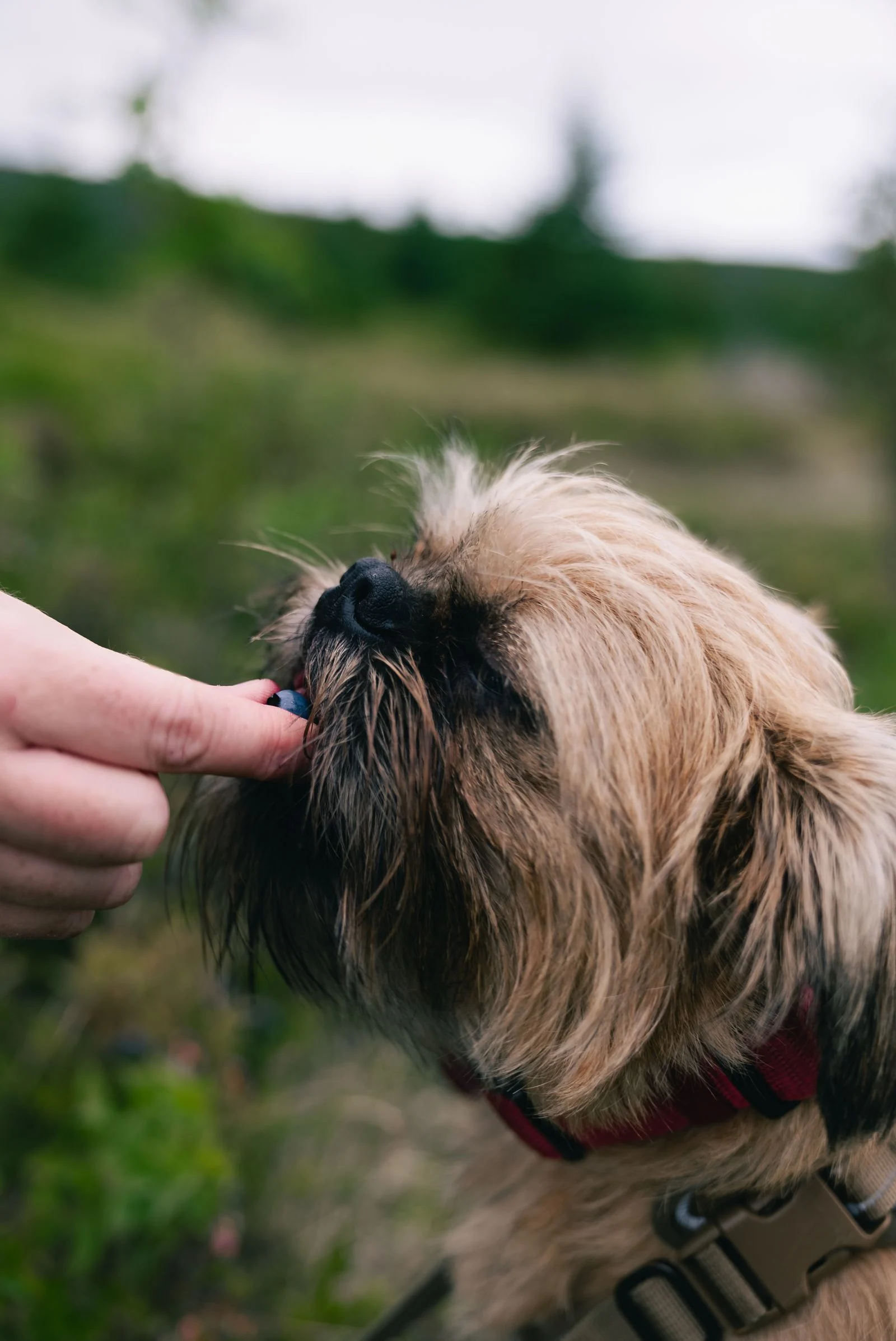
Dogs do not need grapes, and there are plenty of safe fruits that give them the same sweet crunch. All of these are treats, not meals: keep treats under 10% of your dog’s daily calories, and introduce any new food one at a time.
| Safe fruit | How to serve it |
|---|---|
| Blueberries | Whole, fresh or frozen — a handful is a good training treat |
| Apple slices | Fresh, with the seeds and core removed |
| Banana | A few small slices; high in sugar, so keep portions small |
| Watermelon | Seedless flesh only, rind removed |
| Strawberries | Fresh, tops removed, cut in half for small dogs |
| Cucumber and carrots | Crunchy, low-calorie, and safe for most dogs |
Our guides to the best food for puppies and the best food for german shepherd cover what a complete daily diet should look like — fruit is a bonus on top of that, never a replacement for it. And remember that “safe fruit” still means moderation: too much fruit causes an upset stomach even when the fruit itself is safe.
Other foods that are toxic to dogs
Grapes are not the only everyday food that can harm a dog. Keep this list on the fridge — and if your dog eats any of these, the same rule applies: call your vet or a poison line right away, rather than waiting for symptoms.
| Food | Why it is dangerous |
|---|---|
| Chocolate (especially dark and baking) | Theobromine; the darker the chocolate, the more dangerous |
| Xylitol (birch sugar) | In sugar-free gum, candy and some peanut butters; drops blood sugar within 10–60 minutes and can damage the liver |
| Onions and garlic | Damage red blood cells, even cooked or powdered |
| Macadamia nuts | Weakness, vomiting and tremors |
| Alcohol | Even small amounts can cause dangerous drops in blood sugar and blood pressure |
| Raw yeast dough | Rises in the stomach and produces alcohol as it ferments |
A routine vet visit cost is a fraction of an emergency visit, and a yearly check-up is the right moment to ask your vet about anything your dog has been stealing from the kitchen.
See a vet now if… your dog has eaten any grapes, raisins, sultanas or currants — even one. Call your vet, an emergency animal hospital, or the ASPCA Animal Poison Control Center at (888) 426-4435 right away. Do not wait for symptoms: kidney damage can follow 24 to 72 hours later. This is general information only, not a substitute for veterinary advice. No drug dosages or treatment instructions are given in this article.
FAQ
Can dogs eat grapes?
No. Dogs should never eat grapes, raisins, sultanas or currants in any amount. They can cause sudden kidney failure, and there is no known safe dose.
Can dogs eat seedless grapes?
No. Seedless grapes are just as toxic as seeded ones — the seeds were never the problem.
How many grapes are toxic to a dog?
There is no established safe dose. Kidney failure has been reported after as few as four or five grapes in a 20-pound dog, and the ASPCA’s reference dose works out to roughly three to five grapes for a 20-pound dog.
My dog ate a grape — what should I do?
Call your vet, an emergency animal hospital, or the ASPCA Animal Poison Control Center at (888) 426-4435 immediately, even if your dog seems fine. Note how many grapes and when, and do not try to make your dog vomit on your own.
Can dogs eat raisins?
No. Raisins are dried grapes, and drying concentrates the toxin — a small box of raisins can be as dangerous as a whole bunch of grapes.
What happens if a dog eats grapes?
Vomiting and diarrhoea usually start within 6 to 12 hours, and kidney injury can follow within 24 to 72 hours. In affected dogs the kidneys stop producing urine, which can be fatal without treatment.
Sources
- Petful, “Can Dogs Eat Grapes? What to Do if Your Dog Ate One” (written by Dr. Pippa Elliott, BVMS, MRCVS; updated 14 October 2026) — https://www.petful.com/pet-health/my-dog-ate-a-grape/ — no safe dose; Merck Veterinary Manual flags more than one grape or raisin per 10 lb body weight; vomiting within 6–12 hours, kidney failure within 24–72 hours; ASPCA Animal Poison Control Center (888) 426-4435, Pet Poison Helpline (855) 764-7661.
- Dogster, “Can Dogs Eat Grapes? Vet-Verified Risks & Safety Guide” — https://www.dogster.com/dog-health-care/can-dogs-eat-grapes/ — tartaric acid identified as the likely toxic component in 2021; tartaric acid varies 0.35% to 2%; kidney failure 1–3 days after eating.
- Dogster, “Can Dogs Eat Seedless Grapes? Vet-Approved Health & Safety Facts” — https://www.dogster.com/dog-nutrition/can-dogs-eat-seedless-grapes/ — no variety of grape is safe, with or without seeds, fresh, dried, peeled or cooked.
- Adopt-a-Pet, “Can Dogs Eat Grapes?” (by Dr. Chyrle Bonk, DVM, 27 May 2025) — https://www.adoptapet.com/blog/nutrition/can-dogs-eat-grapes — grapes and raisins toxic in even small amounts; tartaric acid the likely culprit; any ingestion is dangerous.
- Purina, “Uncovering the Truth: Can Dogs Eat Grapes?” — https://www.purina.ca/articles/dog/nutrition/can-dogs-eat-grapes — no amount is safe; symptoms include vomiting, lethargy and loss of appetite; kidney failure can be fatal.
- Care4Dog, “Can Dogs Eat Grapes? No, and Tartaric Acid Is Why” — https://www.care4dog.com/blog/can-dogs-eat-grapes — tartaric acid identified by the ASPCA Animal Poison Control Center in 2021; kidney failure reported after 4 or 5 grapes in a 20 lb dog and after a single small box of raisins.
- iloveveterinary.com, “Can Dogs Eat Grapes? Risks, Signs and What to Do” (updated 1 November 2026) — https://iloveveterinary.com/blog/can-dogs-eat-grapes-and-other-vitaceae-species-yay-or-nay/ — no known safe amount; tartaric acid the likely toxic component; Eubig et al. (2005), 43 dogs, all vomited; Merck Veterinary Manual calls tartaric acid a proposed cause.
- Wag Walking, “Can Dogs Eat Grapes?” — https://wagwalking.com/wellness/can-dogs-eat-grapes — tartaric acid the cause of grape poisoning; symptoms typically appear within 24 hours; vomiting usually the first sign.
- Eubig et al., “Acute renal failure in dogs after the ingestion of grapes or raisins: a retrospective evaluation of 43 dogs (1992–2002)”, Journal of Veterinary Internal Medicine, 2005 — via iloveveterinary.com — all 43 dogs vomited; dogs that stopped producing urine or became wobbly or weak were less likely to survive.
- Merck Veterinary Manual, “Grape, Raisin, and Tamarind (Vitis spp, Tamarindus spp) Toxicosis in Dogs” — via iloveveterinary.com — tartaric acid proposed as the toxic component; more than one grape or raisin per 10 lb body weight may carry enough tartaric acid to put the kidneys at risk.
- ASPCA Animal Poison Control Center — via Petful and iloveveterinary.com — tartaric acid identified as the likely toxic component in grapes and raisins (2021); 0.7 g/kg grape material as the reference dose for a toxic exposure; ASPCA Animal Poison Control Center (888) 426-4435.
Last reviewed: 15 November 2026. This article is general information only and is not a substitute for veterinary advice.