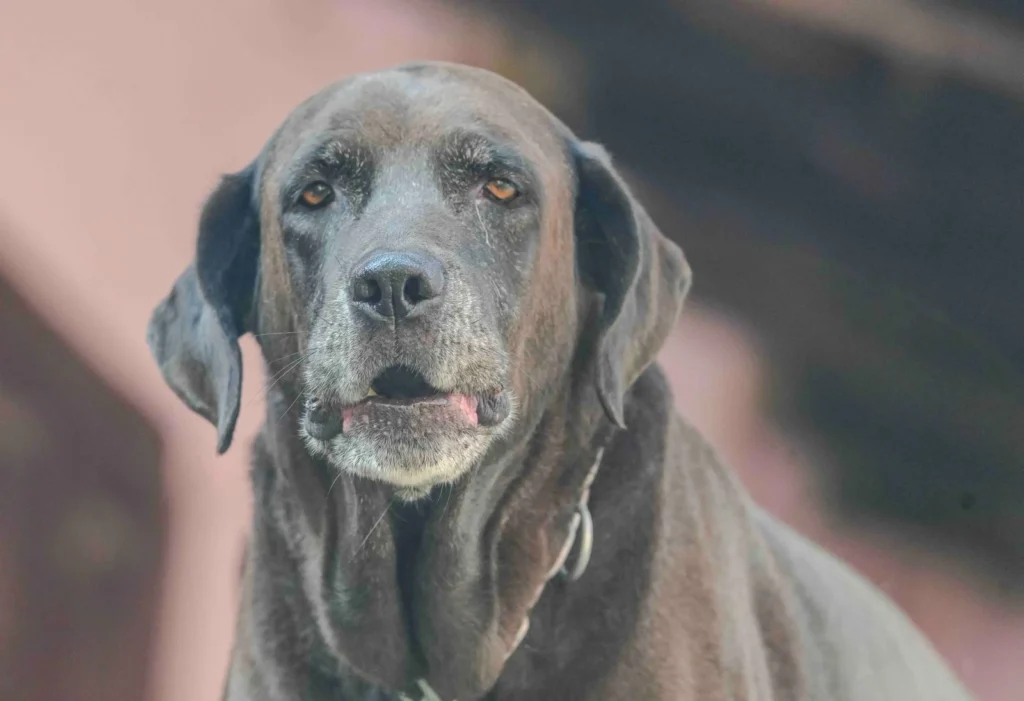
How long do dogs live? Most dogs live about 10 to 13 years — but that average hides a huge spread. A small dog can easily pass 15, while a giant breed is doing well at 9 or 10. Size is the single biggest predictor: the smaller the dog, the longer it usually lives. Breed, weight, sex and care all move the number by years in either direction, and different studies give different figures, so this guide gives you sourced ranges rather than one tidy answer — plus the habits that genuinely add healthy years.
How long do dogs live — the short answer
| Question | Answer |
|---|---|
| How long do dogs live on average? | About 10–13 years, depending on the study and the population |
| How long do small dogs live? | Usually 12–15 years, sometimes longer |
| How long do medium dogs live? | Usually 11–14 years |
| How long do large dogs live? | Usually 10–13 years |
| How long do giant dogs live? | Usually 8–11 years |
| What dog lives the longest? | Small breeds such as Chihuahuas and Dachshunds, often 14–16 years |
| Do female dogs live longer? | Yes, by about half a year on average in the largest UK study |
The most quoted overall figure comes from the VetCompass programme in the UK: a 2024 study in the journal Scientific Reports analysed veterinary records for 584,734 dogs and found a median life expectancy of about 12.5 years. “Median” matters here — it means half the dogs lived longer than 12.5 years and half lived less. Other guides land in the same area: Canine Journal puts the typical range at about 10 to 14 years, and PetZooie at 10 to 13. None of these is a promise for an individual dog. They are population averages, and your dog’s own number depends on the factors below.
Lifespan by size: small dogs outlive big ones
In most mammals, bigger species live longer — elephants outlive mice. Inside the dog species, the pattern flips completely. The bigger the dog, the shorter its life, and the gap is large: roughly five years separate the smallest from the largest.
| Size (healthy adult weight) | Typical lifespan | Senior from about |
|---|---|---|
| Small (under 20 lb / 9 kg) | 12–15 years | 10 years |
| Medium (20–50 lb / 9–23 kg) | 11–14 years | 9 years |
| Large (50–90 lb / 23–41 kg) | 10–13 years | 8 years |
| Giant (over 90 lb / 41 kg) | 8–11 years | 6 years |
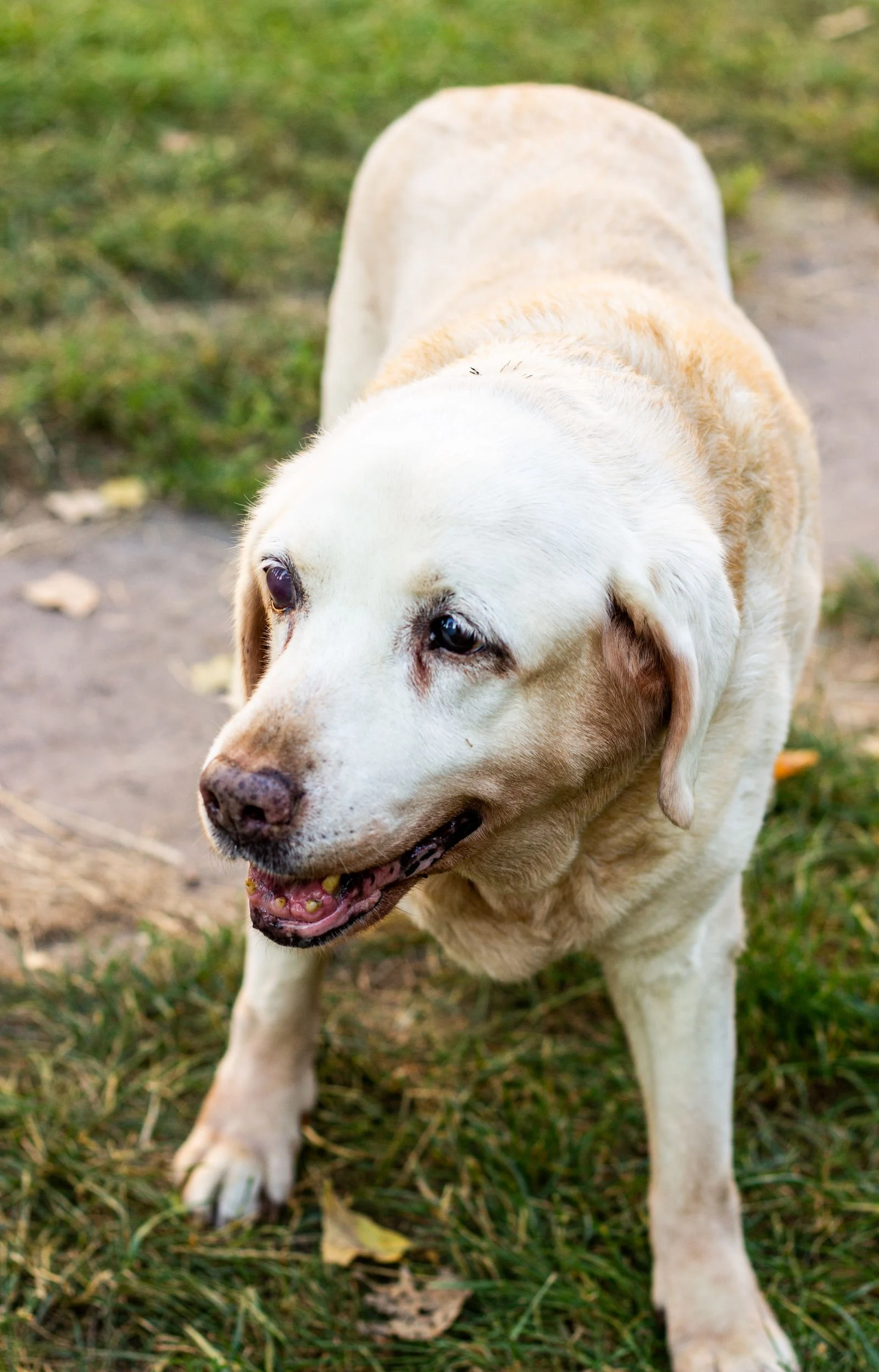
These bands come from the VetCompass 2024 study as summarised in 2026 breed guides, and they line up with a large US study of veterinary records from more than 13 million dogs, summarised by Canine Journal: life expectancy at birth was about 13.5 years for small dogs, 12.7 for medium, 11.5 for large and 9.5 for giant breeds. The two datasets disagree slightly on the exact numbers — which is normal, because they cover different countries, years and dog populations — but they agree completely on the pattern.
Why do big dogs age faster? Large and giant breeds grow very fast as puppies, and that rapid growth appears to come with faster ageing and a higher rate of some cancers, joint problems and heart disease later in life. A widely cited 2013 study in The American Naturalist (Kraus, Pavard and Promislow) put a number on it: for each additional 4.4 lb (2 kg) of adult body weight, life expectancy drops by roughly one month. That is why a Chihuahua and a Great Dane, both dogs, can have lifespans that differ by a factor of two.
Lifespan by breed: the longest and the shortest
Breed matters on top of size, because breeds carry different genetic risks. The table below gives typical ranges from 2026 breed guides and the VetCompass studies behind them — read them as bands, not promises.
| Breed | Typical lifespan | What shapes it |
|---|---|---|
| Chihuahua | 14–16 years | Among the longest-lived breeds |
| Dachshund | 12–16 years | Long-lived, but back problems are common |
| Toy Poodle | 14–16 years | Small size plus relatively few breed diseases |
| Shih Tzu | 10–16 years | Wide range; breathing and eye issues matter |
| Beagle | 12–15 years | Hardy medium breed; obesity is the main risk |
| Border Collie | 12–15 years | Active working breed |
| Labrador Retriever | 10–12 years | Cancer and joint problems; lean Labs live longer |
| Golden Retriever | 10–12 years | Cancer is the leading cause of death |
| German Shepherd | 9–13 years across sources | Wide spread — see our breed guide |
| French Bulldog | 10–12 years (AKC); VetCompass median 9.8 | Flat face and breathing problems shorten life |
| Rottweiler | 8–10 years | Bone cancer risk shortens the average |
| Bernese Mountain Dog | 7–10 years | One of the shortest-lived breeds; cancer risk high |
| Great Dane | 7–10 years | Heart conditions and bloat are leading causes |
Two of these deserve a closer look, because they show why a single number misleads. Our guide to the german shepherd lifespan found a spread from 7–10 years (PetMD) to a VetCompass median of 10.3 years, with a general range of 9–13 years quoted elsewhere — the honest answer is the spread, not one figure. Our labrador retriever lifespan guide found a similar story: a VetCompass study of 33,320 UK Labradors gave a median of 12.0 years, while a later study gave 13.1, and chocolate Labradors lived shorter (10.7 years) than black or yellow ones (12.1).
Flat-faced (brachycephalic) breeds such as French and English Bulldogs live shorter lives than other dogs of the same size, the VetCompass 2024 study found — breathing problems, heat intolerance and related complications add up over a lifetime. At the other end, the record for the longest-lived dog ever is held by Bluey, an Australian Cattle Dog, who lived 29 years and 5 months according to Guinness World Records — an extreme outlier, not a target to plan around.
Do mixed breed dogs live longer?
This is one of the most repeated claims in dog ownership — and the largest recent study complicates it. The VetCompass 2024 study of 584,734 UK dogs reported that crossbreeds lived about 1.2 years less than purebreds on average in that population. That surprised many owners, because mixed breeds are often said to benefit from hybrid vigour. The honest reading is that results differ by population, time period and how “crossbreed” is defined: older studies and insurance data have often found mixed breeds living longer, while this large UK dataset found the opposite. What the study does show clearly is that size and breed matter far more than the purebred-versus-mixed label on its own. A small mixed-breed dog will still usually outlive a giant purebred, and a giant mixed breed will still usually outlive neither a small dog of either kind. If you are choosing a dog, size and the breed’s known health risks are the better guide than the label.
Females live a little longer — and spaying matters
Female dogs live about half a year longer than males on average, according to the VetCompass 2024 study. The gap is small, but it is consistent across the large datasets.
Spaying and neutering show a bigger gap. A University of Georgia study of medical records from more than 70,000 animals found neutered male dogs lived about 13.8% longer than intact males, and spayed females about 26.3% longer than unaltered females — the average age at death was 7.9 years for intact dogs versus 9.4 years for altered dogs. A Banfield Pet Hospitals study of 2.2 million dogs found a similar pattern: neutered males lived 18% longer and spayed females 23% longer than their intact counterparts.
Read those numbers with the caveat the researchers themselves give: these studies are retrospective, looking at existing records, so they show associations, not proof that the surgery itself causes the extra years. Part of the gap is behavioural — unaltered dogs roam more and get into more fights and road accidents — and part is medical, since spaying removes the risk of pyometra and some cancers. A smaller set of studies, mostly in large and giant breeds, has raised questions about joint problems and some cancers after early sterilisation. The timing decision is one to make with your own vet, for your own dog’s breed and size — not from a percentage in an article.
Weight: the one factor you control most
If there is a single controllable factor that adds years, it is weight. A 14-year Purina study of Labrador Retrievers (Kealy et al., 2002) found that lean-fed dogs lived a median of 13.0 years, against 11.2 years for dogs fed freely — a gap of 1.8 years from food intake alone. Other guides summarise the same finding more broadly: lean dogs reliably outlive overweight ones by one to two years.
That matters because overweight dogs are common. The Association for Pet Obesity Prevention has repeatedly found that more than half of US dogs are overweight or obese. Extra weight loads joints, strains the heart, worsens breathing in flat-faced breeds and raises the risk of diabetes and some cancers. The fix is unglamorous — measured meals, fewer treats, daily walks — but it is the cheapest extra year a dog owner can buy. Our beagle price guide notes that Beagles are one of the breeds most prone to weight gain, and the VetCompass 2025 study of UK Beagles found obesity the single most common disorder in the breed, at 24.27%.
What actually adds years to a dog’s life
No supplement or superfood has been shown to add years. The habits that do show up in the research are ordinary ones, done consistently:
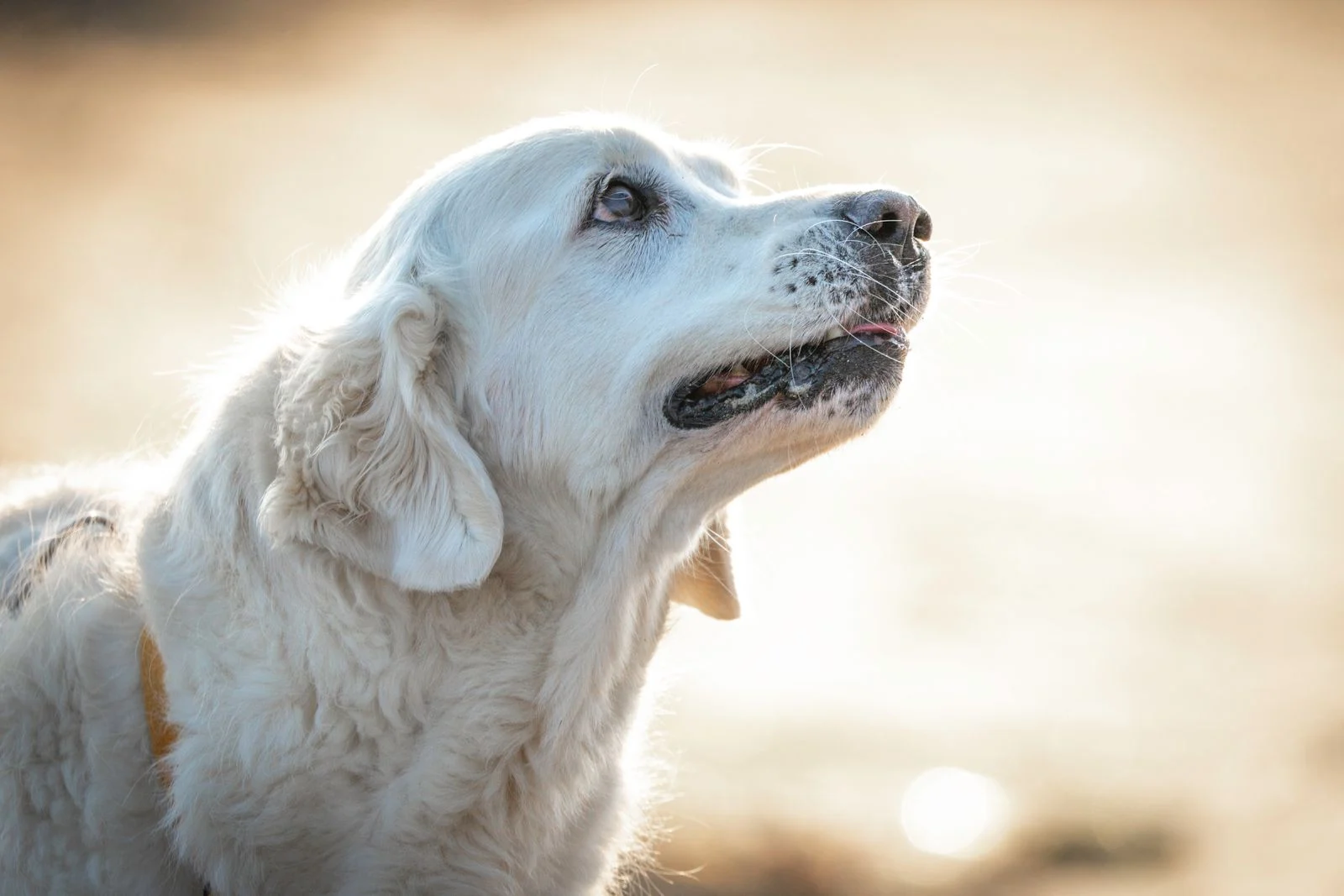
- Keep your dog lean. Feed measured meals, keep treats under 10% of daily calories, and weigh your dog regularly so a slow gain does not become a big one.
- Feed for the life stage. Puppies, adults and seniors need different food — our guides to the best food for puppies and for German Shepherds explain what to look for, and a vet can confirm the right choice for your dog’s size.
- Do not skip the vet. A routine vet visit cost is a fraction of an emergency visit, and twice-yearly check-ups for seniors catch kidney disease, dental disease and lumps early, when they are cheapest and easiest to treat.
- Protect the teeth. Dental disease is one of the most common problems in adult dogs, and it is linked to heart and kidney strain. Daily brushing and professional cleaning when your vet advises it are worth more than any chew.
- Keep them moving. Daily walks and play keep weight down and joints supple. Adjust the exercise to the dog: a senior Great Dane needs gentle walks, not a young Border Collie’s run.
- Prevent the preventable. Vaccines and parasite prevention stop diseases that still kill dogs, and they cost far less than treating the disease.
- Watch the breed risks. If you own a breed with known risks — bloat in deep-chested breeds, hip dysplasia in large breeds, breathing trouble in flat-faced breeds — ask your vet what screening and warning signs to know. Our breed guides list the watch-points for each breed we cover.
When is a dog considered senior?
“Senior” is not an age, it is a proportion of expected life. The 2019 AAHA Canine Life Stage Guidelines describe the senior stage as roughly the last 25% of a dog’s expected lifespan, so the birthday depends on size: about 10 years for small dogs, 9 for medium, 8 for large and 6 for giant breeds. November is National Senior Pet Month in the USA, and it is a good reminder that senior dogs need more frequent vet visits — usually twice a year — and that small changes, such as drinking more water, slowing down on walks or sleeping more, are worth mentioning to your vet rather than dismissing as “just old age”. Some of those changes are normal ageing. Some are the first signs of kidney disease, arthritis or thyroid problems, and the difference is a blood test, not a guess.
See a vet now if… your dog suddenly stops eating or drinking, has difficulty breathing, collapses, has a swollen or painful belly, is retching without bringing anything up, cannot pass urine or stool, has a seizure, or shows sudden weakness, confusion or a rapid change in behaviour. Senior dogs should also be seen promptly for steady weight loss, drinking much more water than usual, or any lump that grows quickly. This is general information only, not a substitute for veterinary advice. No drug dosages or treatment instructions are given in this article.
FAQ
How long do dogs live?
Most dogs live about 10 to 13 years. The VetCompass 2024 study of 584,734 UK dogs found a median of about 12.5 years — but small dogs often reach 15 and giant breeds often only 8 to 10.
How long do small dogs live?
Usually 12 to 15 years, and some reach 16 or more. A large US study of more than 13 million dogs put life expectancy at birth for small dogs at about 13.5 years.
How long do large dogs live?
Usually 10 to 13 years, and giant breeds 8 to 11. A large US study put life expectancy at birth at about 11.5 years for large dogs and 9.5 for giant breeds.
What dog breed lives the longest?
Small breeds live longest. Chihuahuas, Toy Poodles and Dachshunds typically live 14 to 16 years. The longest-lived dog on record, Bluey the Australian Cattle Dog, lived 29 years and 5 months.
Do mixed breed dogs live longer?
Not always. The largest recent UK study found crossbreeds living about 1.2 years less than purebreds on average in that population, while older studies have found the opposite. Size and breed health risks matter more than the label.
How can I make my dog live longer?
Keep your dog lean, feed for its life stage, keep up vet check-ups and dental care, exercise daily, and prevent disease with vaccines and parasite control. The Purina Labrador study found lean-fed dogs lived a median 1.8 years longer than free-fed dogs.
Sources
- Teng KT et al., “Life tables of annual life expectancy and mortality for companion dogs in the United Kingdom”, Scientific Reports, 2024 — via Canine Journal and PawScale, 2026 guides — 584,734 UK dogs; median life expectancy about 12.5 years; small breeds median 12.7, medium 12.5, large 11.9; females live about 0.5 years longer; crossbreeds about 1.2 years shorter than purebreds on average in that population.
- Canine Journal, “Dog Life Expectancy Chart: How Long Do Dogs Live?” — https://www.caninejournal.com/life-expectancy-of-dogs/ — typical range about 10–14 years; large US study of more than 13 million dogs: life expectancy at birth about 13.5 years small, 12.7 medium, 11.5 large, 9.5 giant; AAHA 2019 Canine Life Stage Guidelines senior stage as roughly the last 25% of expected lifespan.
- PawScale, “How Long Do Dogs Live? Dog Life Expectancy Chart by Breed” — https://www.pawscale.com/blog/dog-life-expectancy-chart — small breeds 14–16 years, medium 12–15, large 10–12, giant 7–10; Chihuahua 14–16, Dachshund 12–16, Great Dane 7–10, Bernese Mountain Dog 7–10.
- PetZooie, “How Long Do Dogs Live? Life Expectancy by Breed” — https://www.petzooie.com/articles/how-long-do-dogs-live-life-expectancy-by-breed — typical average 10–13 years; toy breeds 14–18, small 12–16, medium 10–14, large 9–12, giant 7–10.
- Dogs Age Calculator, “How Long Do Dogs Live? Lifespan by Size” — https://dogsagecalculator.com/articles/dog-lifespan-by-size — small breeds average 14–17 years, giant breeds 7–10.
- Kraus C, Pavard S, Promislow DEL, “The size–lifespan trade-off deconvolved in dogs”, The American Naturalist, 2013 — via Local Pet Finder, 2026 guide — for each additional 4.4 lb (2 kg) of adult body weight, life expectancy drops by roughly one month.
- Kealy RD et al., “Effects of diet restriction on life span and age-related changes in dogs”, Journal of the American Veterinary Medical Association, 2002 — via our Labrador Retriever lifespan guide — 14-year Purina study: lean-fed Labradors median 13.0 years vs 11.2 years free-fed.
- University of Georgia study (Hoffman JM et al., 2013) and Banfield Pet Hospitals study (2013), via the Humane Society of the United States — https://www.anthempets.org/spay-neuter-will-it-improve-your-pets-health/ — University of Georgia (70,000+ animals): neutered males 13.8% longer, spayed females 26.3% longer; average age at death 7.9 years intact vs 9.4 years altered. Banfield (2.2 million dogs): neutered males 18% longer, spayed females 23% longer.
- McGreevy PD et al., “Labrador retriever lifespan and health”, VetCompass, 2018 — via our Labrador Retriever lifespan guide — 33,320 UK Labradors, median 12.0 years overall, 12.1 black/yellow, 10.7 chocolate.
- O’Neill DG et al., “German Shepherd lifespan”, VetCompass, Royal Veterinary College, 2017 — via our German Shepherd lifespan guide — median 10.3 years (females 11.1, males 9.7).
- Guinness World Records — Bluey, an Australian Cattle Dog, longest-lived dog on record at 29 years and 5 months.
Last reviewed: 15 November 2026. This article is general information only and is not a substitute for veterinary advice.